
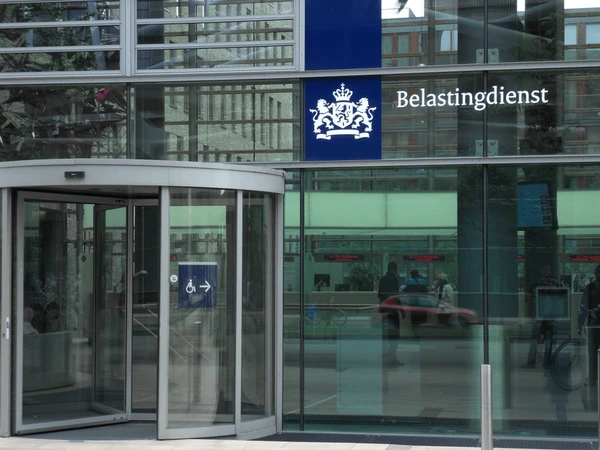
Article 23 VAT in the Netherlands allows eligible businesses to defer import VAT on goods imported into the EU by reporting and paying VAT on their periodic Dutch VAT return instead of at the time of import. This improves cash flow and simplifies administration for qualifying companies. Not all businesses are eligible, and proper registration and compliance are required.
What is Article 23 and Why It Matters
The Netherlands remains one of the most attractive jurisdictions for international trade and logistics, supported by strong infrastructure, a stable regulatory framework, and efficient access to the European market. Among the many fiscal advantages available, Article 23 of the Dutch VAT Act stands out as a highly effective mechanism for companies importing goods into the European Union through the Netherlands. When working capital and liquidity are fundamental to business performance, the ability to defer import VAT becomes a decisive advantage.
Under standard import rules, VAT must be paid at the moment goods enter the Netherlands from outside the EU. Depending on the type and value of the goods, this can represent a significant cash outflow that occurs before any revenue is generated from those items. Recovery of import VAT then relies on the normal VAT return cycle, which creates delays and additional administrative work.
Article 23 changes this timing. Approved companies may defer the payment of import VAT and instead declare it in their periodic VAT return. The VAT becomes a reporting entry rather than an upfront cash expense. Compliance remains fully intact, but the cash-flow burden is removed.
This is not a niche tax perk. For many companies, it materially improves financial flexibility and operational efficiency.
Key Advantages for Importing Businesses
Article 23 provides several long-term financial and administrative benefits:
• Strengthened liquidity. Capital that would have been tied up at customs remains available for investment, inventory, salaries, or debt reduction.
• Efficient and predictable VAT administration. No more waiting periods before reclaiming VAT.
• Competitive positioning. Businesses handling frequent or high-value imports reduce financial pressure and improve cost control.
• Better alignment between operational activity and tax reporting. VAT settlement becomes more consistent with commercial cycles, which improves cash forecasting.
For companies managing substantial import volumes, the cash-flow benefit can have measurable financial impact.
Eligibility Requirements
To qualify for Article 23, businesses must demonstrate a genuine economic presence in the Netherlands. This typically includes:
• A Dutch legal entity, most commonly a Besloten Vennootschap (BV)
• Dutch VAT registration
• The importation of goods into the EU via the Netherlands
• Adequate accounting and administrative systems that ensure proper VAT reporting and document retention
Companies established outside the EU can also benefit, but may need to appoint a Dutch fiscal representative.
Each application is reviewed by the Dutch Tax Authority, so clarity and thoroughness are important.
The Application Process
The process generally includes the following steps:
-
Establishment of a Dutch entity and VAT registration
-
Submission of a formal Article 23 permit request
-
A review of the business model, projected import activity, and compliance controls
-
Implementation of accounting and reporting procedures that align with the permit requirements
-
Ongoing monitoring to ensure continuous compliance
Preparation is essential. A well-drafted application supported by accurate process design significantly increases approval speed and reduces administrative obstacles.
Integrating Article 23 into a Broader Operational Strategy
Article 23 delivers its strongest impact when aligned with the company’s wider supply chain and financial planning. Examples include:
• Structuring import flows through Dutch logistics hubs
• Coordinating high-volume imports with VAT filing periods
• Combining VAT deferral with EU export operations
• Leveraging Dutch warehousing for distribution across Europe
• Reviewing performance periodically to maintain compliance and optimize benefits
This approach elevates Article 23 from a compliance mechanism to a cash-flow enhancement tool.
Common Challenges
Although Article 23 is straightforward at a conceptual level, execution requires precision. Common issues include:
• Late or incorrect filings that compromise compliance
• Inadequate internal record keeping
• Supply chain structures that do not clearly support Dutch import activity
• Delays caused by incomplete application documentation
• Missed opportunities to integrate other Dutch tax and corporate advantages
These risks are avoidable with proactive planning and qualified advisory support.
Why Businesses Choose NetherBridge Partners
NetherBridge Partners helps international companies establish, manage, and grow their presence in the Netherlands with confidence. Our specialists ensure that Article 23 is not only obtained successfully but integrated into a broader structure that supports sustainable business expansion.
Clients rely on us for:
• Senior-level advisory involvement throughout each engagement
• A complete compliance and administration framework including accounting, VAT reporting, and legal governance
• Responsive communication and clearly defined deliverables
• A deep understanding of cross-border operations and Dutch regulatory expectations
We act not simply as a tax advisor, but as an end-to-end corporate partner ensuring continuity and accountability at every stage.
Taking the Next Step
Every import shipment that enters the Netherlands without the benefit of Article 23 represents capital temporarily locked into the VAT system. Businesses that act early protect liquidity and improve operational control.
NetherBridge Partners can help you determine:
• Whether Article 23 is suitable for your structure
• The estimated annual liquidity benefit
• The required timeline and documentation
• Any supplementary requirements such as fiscal representation
Conclusion
Article 23 is a practical and valuable VAT facility that offers tangible financial advantages for companies importing goods into the Netherlands. By deferring import VAT and simplifying administration, it reinforces cash-flow strength and reduces the operational friction associated with cross-border trade. When properly implemented and monitored, it contributes to improved supply-chain performance and stronger global competitiveness.
NetherBridge Partners stands ready to support companies in unlocking this opportunity while safeguarding full compliance with Dutch and EU tax legislation. Speak to our experts now for practical solutions tailored to your business’s unique needs.


